A synthetic area rug can make a room feel finished, comfortable, and well cared for – until traffic lanes, spills, and everyday dust start changing its appearance. If you are searching for how to clean synthetic area rug fibers properly, the goal is not simply to make the rug look better for a day. It is to remove soil without leaving behind residue, soaking the backing, or creating a new problem underneath it.
Most nylon, polyester, olefin, and polypropylene rugs respond well to careful cleaning. The catch is that the wrong amount of moisture, too much detergent, or aggressive scrubbing can leave fibers matted, colors dull, and spots that seem to return after drying. A smart approach protects both the rug and the floor below it.
Start With the Rug’s Care Label
Before applying any cleaner, look for the manufacturer’s care tag. It may identify the fiber, recommend a cleaning method, or warn against soaking, bleach, high heat, and certain solvents. Even rugs that appear similar can have different backings, dyes, adhesives, and construction methods.
Synthetic fibers are generally more forgiving than delicate natural materials, but the backing deserves just as much attention as the face fibers. Latex, rubber, and glued backings can weaken or transfer color when saturated. If the tag says dry clean only, professional clean only, or gives instructions that conflict with a cleaning product label, follow the rug manufacturer’s guidance.
When in doubt, test any solution in a hidden corner. Apply a small amount, blot it with a white towel, and let the spot dry completely. Check for color transfer, stiffness, fading, or a tacky feel before moving forward.
How to Clean a Synthetic Area Rug at Home
For routine soil and a few small spots, cleaning at home can be a practical choice. The key is controlled moisture and thorough dry time. Do not treat the rug like wall-to-wall carpet and flood it with a rental machine, garden hose, or heavy stream of water.
Remove dry soil first
Vacuum both sides of the rug when possible. Slow, overlapping passes remove the gritty soil that works its way down between fibers and causes premature wear. If the rug is small enough to safely handle, take it outside and gently shake it before vacuuming. Avoid beating it aggressively, especially if the backing feels brittle or is beginning to separate.
Dry soil removal matters more than many people realize. Once dirt turns to mud under a cleaning solution, it becomes harder to extract and can leave the rug looking dingy again as it dries.
Blot fresh spills instead of scrubbing
For a fresh spill, press clean white towels into the area and lift. Work from the outer edge toward the center so the spill does not spread. Replace towels as they become damp.
Scrubbing is usually the fastest way to make a small spill into a larger, fuzzier-looking spot. It can distort pile direction and push the spill deeper into the backing. After blotting, apply a small amount of a cleaner labeled safe for synthetic carpet fibers to a towel, not directly onto the rug. Blot again, then use a second towel lightly dampened with plain water to remove cleaner residue.
Use less solution than you think
For general surface cleaning, lightly mist a suitable carpet-cleaning solution over one manageable section. Agitate gently with a soft brush or microfiber towel, then blot away loosened soil with dry towels. The rug should feel lightly damp, not wet through to the backing.
Avoid dish soap, laundry detergent, and heavily fragranced household cleaners. They may seem harmless, but many leave a sticky residue that attracts more soil. A rug that looks clean immediately after washing can develop dark traffic areas sooner when residue is left behind.
Dry the rug quickly and completely
Air movement is your best friend. Open windows when weather allows, run ceiling fans, and use portable fans aimed across the rug surface. Keep the rug flat while drying so it does not stretch or curl. Do not return furniture to the rug until it is fully dry.
Check the underside as well as the top. A damp backing against hardwood, laminate, or another flooring surface can trap moisture where you cannot see it. If the rug feels cool, smells musty, or remains damp after several hours, increase airflow and keep foot traffic off it.
Treating Common Spots Without Making Them Worse
The right spot-removal method depends on what caused the mark. Still, the basic rule remains the same: identify the spot, use the mildest effective method, and avoid overapplying product.
For food or beverage spills, blot first and use a small amount of synthetic-fiber-safe spotter. For oily residue, a product formulated for grease may be necessary, but it should be tested in an inconspicuous location first. For tracked-in dirt, allow wet mud to dry, vacuum away as much as possible, then clean the remaining discoloration with minimal moisture.
If a spot fades but reappears after drying, the issue may be residue or contamination that has wicked upward from lower in the rug. Adding more cleaner often makes this cycle worse. The rug may need professional extraction that removes suspended soil and cleaning solution rather than simply treating the surface again.
Pet-related spots require special care because contamination can move below the visible fibers and into the backing or flooring underneath. Do not assume a scented cleaner has solved the problem just because the odor is temporarily masked. A trained technician can assess the material, the extent of contamination, and the safest realistic treatment options.
When DIY Cleaning Is Not the Best Choice
Home care is useful for maintenance, but it has limits. A larger rug with heavy traffic soil, stubborn spots, dull-looking fibers, or an odor that persists after basic cleaning often needs more than a surface treatment. So does a rug that has been repeatedly cleaned with store-bought products and now feels stiff or attracts dirt quickly.
Professional cleaning is especially valuable when the rug cannot be safely moved, when the backing is delicate, or when you want deeper soil removal without taking unnecessary chances on color or construction. At Spurling’s Carpet Cleaning, synthetic area rug cleaning is performed at your home or business using an advanced, multi-step process designed around the rug’s fiber type, condition, and location.
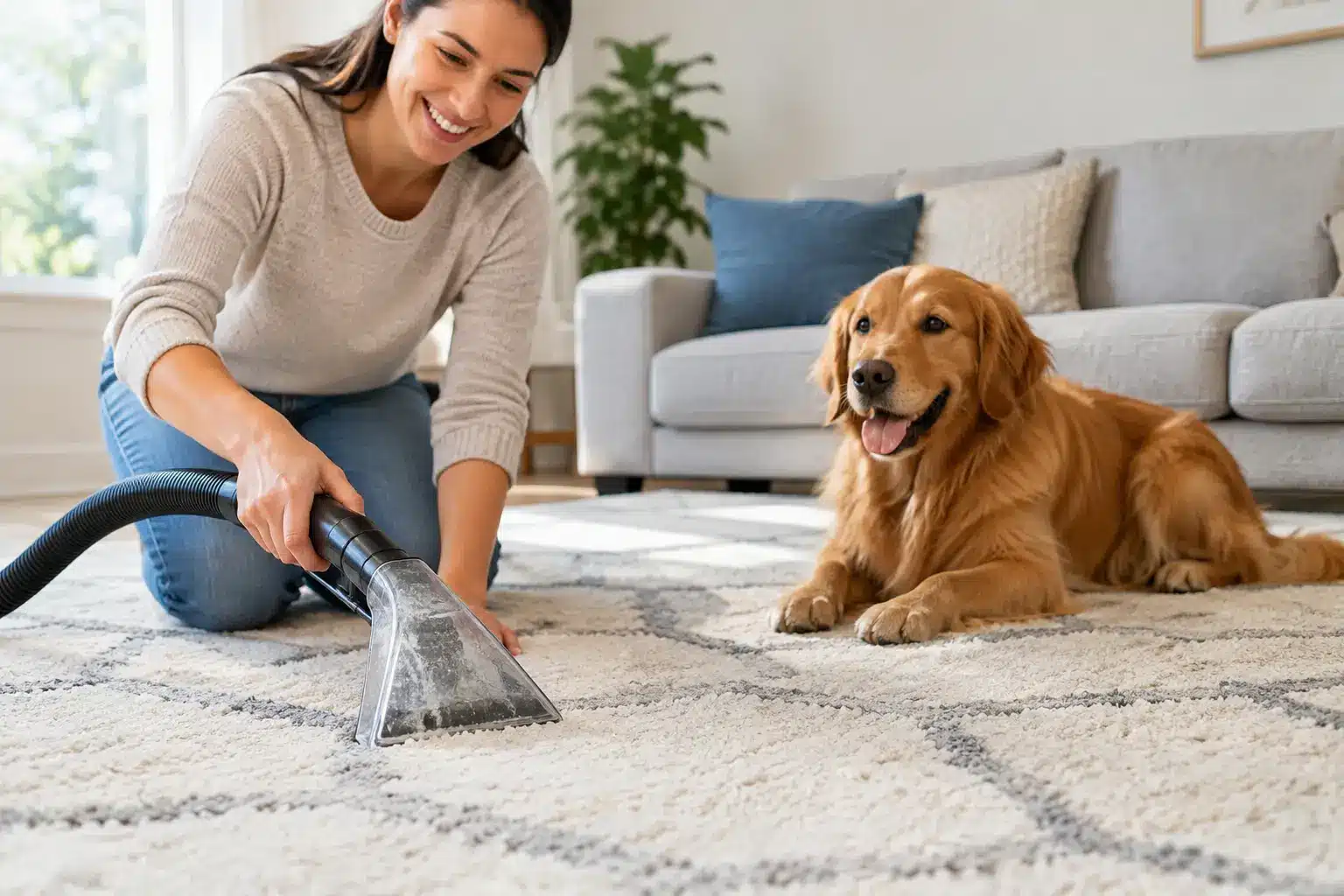
Proper hot water extraction can remove embedded soil and product residue that household methods leave behind, while professional equipment helps control moisture and shorten drying time. That matters in busy homes, rental units, shared hallways, and business spaces where a rug needs to look its best without remaining wet all day.
Protect the Rug Between Deep Cleanings
Routine care extends the life of any synthetic rug. Vacuum regularly, rotate the rug occasionally to distribute wear, and address spills promptly. Use a quality rug pad suited to the floor underneath. It reduces slipping, helps the rug lie flat, and limits abrasion from trapped grit.
Be cautious with high heat. A steam iron, hot hair dryer, or high-heat cleaning method can damage some synthetic fibers or backing materials. Direct sunlight can also contribute to fading over time, particularly near windows with strong afternoon exposure.
A rug does not have to look severely dirty before it deserves attention. When its color starts looking muted, the pile feels rougher than usual, or your usual vacuuming no longer restores its appearance, it is time to choose a deeper cleaning method. Careful maintenance at home and professional cleaning when the rug needs it can keep your synthetic area rug looking cleaner, feeling better underfoot, and serving the room well for years.