
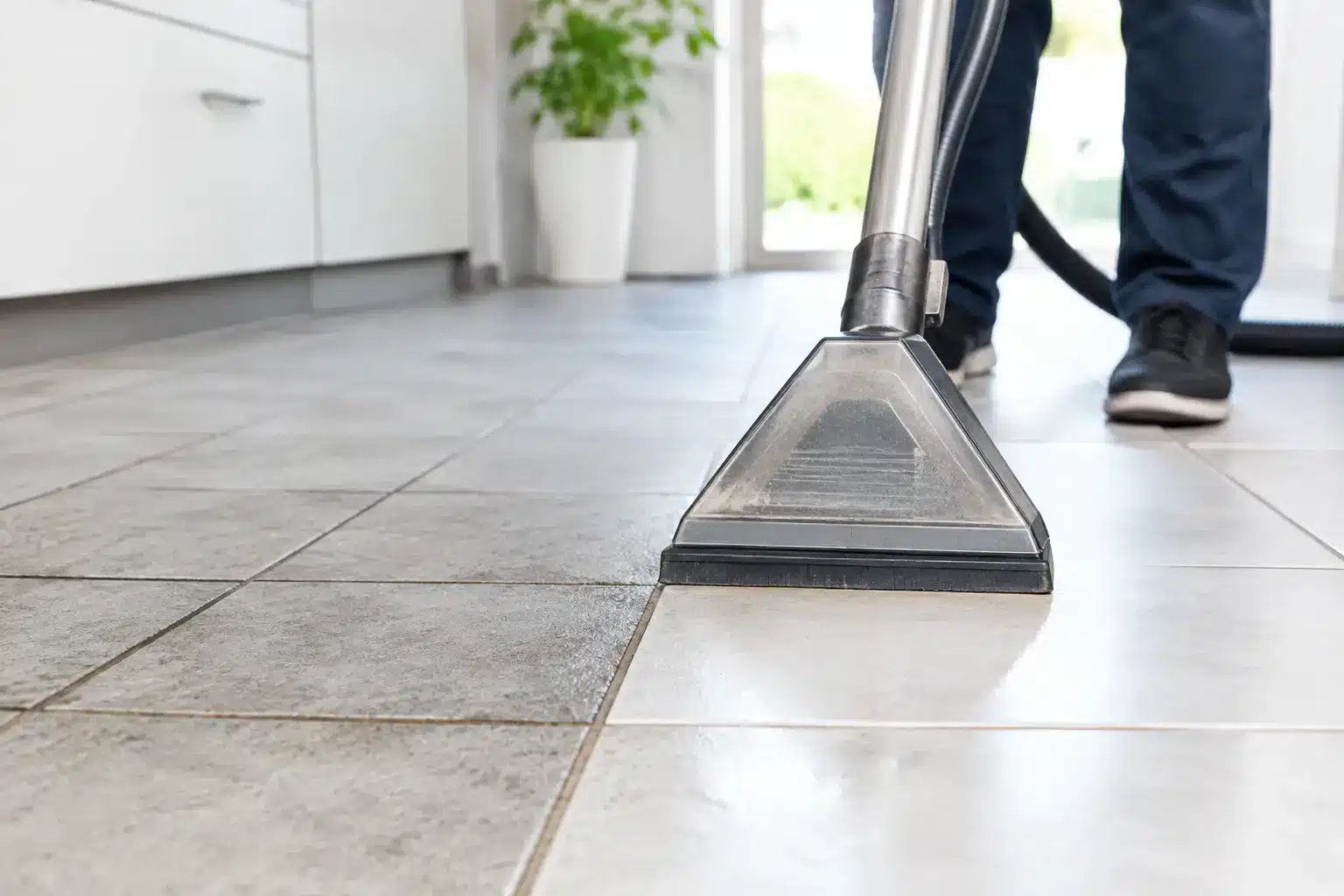
A tiled floor can make an otherwise clean room look worn out fast. The usual culprit is not the ceramic or porcelain tile itself. It is the grout lines – darkened by tracked-in soil, cooking residue, soap film, spills, and years of mopping that moved dirty water from one line to the next. So, can grout be restored? In many cases, yes. Professional deep cleaning can bring heavily soiled grout much closer to its original color and make the entire floor look dramatically newer.
The key is knowing the difference between dirty grout that needs the right cleaning process and damaged grout that needs repair. A surface scrub from a store-bought bottle may brighten a few spots, but it rarely produces the deep, even result homeowners and businesses expect from a premium cleaning service.
Can Grout Be Restored Without Replacing It?
Grout is porous, which means it absorbs contaminants more readily than glazed tile. Over time, fine soil settles into the tiny openings in the grout, where ordinary mopping cannot reach it. In kitchens, that buildup may include grease. In bathrooms, it is often a combination of soap residue, body oils, minerals, and moisture-related discoloration. Entryways and commercial cleaning spaces tend to collect gritty outdoor soil that gets pressed deeper with foot traffic.
When the grout is intact, firmly bonded, and simply discolored, restoration through professional cleaning is often the smart first move. The goal is not to coat the problem with color or leave behind a sticky residue. It is to break down embedded soil, agitate the grout safely, and extract the loosened contaminants so they are removed rather than redistributed across the floor.
Results depend on the original grout color, the type of contamination, how long it has been present, and whether the grout was previously sealed. Light-colored grout with years of dark buildup can show the most dramatic transformation. Still, a responsible cleaning professional should not promise that every line will return to a perfectly uniform, brand-new appearance. Permanent staining, old topical coatings, and damage can limit what cleaning alone can accomplish.
What Professional Tile and Grout Cleaning Actually Changes
A true tile and grout cleaning service does more than make the floor wet and fragrant. It addresses the soil trapped below the surface. At Spurling’s Carpet Cleaning, trained technicians use an advanced multi-step process and professional-grade equipment designed to clean ceramic and porcelain tile thoroughly while treating your home or business with care.
The process generally begins with an evaluation of the tile, grout condition, traffic patterns, and visible problem areas. A suitable cleaning solution is applied to loosen embedded buildup. Next comes controlled agitation to work on the grout lines without relying on harsh, random scrubbing. Powerful extraction then removes the dirty solution from the floor.
That extraction step matters. Mop water can leave soil behind, especially in textured grout lines. A professional system is designed to remove the suspended grime, leaving the floor cleaner rather than simply moving contaminants around. The tile often looks brighter as well because residue and film are removed from its surface.
For homeowners who have tried repeated DIY cleaning with little change, this is often the missing piece. The grout may not be ruined. It may simply be holding far more soil than household tools can safely release.
Cleaning Can Restore Appearance, Not Missing Material
There is an important limit: cleaning cannot replace grout that is gone. If lines are cracked, crumbling, deeply pitted, or separating from the tile, the floor needs repair or regrouting in those areas. No cleaning machine can rebuild missing material or correct movement beneath the tile.
Likewise, dark spots caused by permanent staining may improve without disappearing completely. Rust, dyes, certain chemicals, and old stains that have penetrated deeply can leave a shadow even after professional cleaning. This does not mean the service failed. It means the discoloration changed the grout rather than merely sitting on it.
An experienced technician will set clear expectations before work begins, particularly when a floor has been neglected for years or treated with multiple products. Honest guidance is part of getting Thee Longest-Lasting Clean – not making unrealistic promises just to win the job.
Signs Your Grout Is a Good Candidate for Restoration
If your grout is consistently dark in high-traffic areas but lighter behind doors, under furniture, or near wall edges, embedded soil is likely the main issue. That is a strong sign that professional cleaning may produce a noticeable improvement.
Another good indicator is a floor that still feels solid underfoot, with grout lines that remain full and intact. The tile may look dull or hazy, yet there are no loose tiles, widespread cracks, or areas where grout has washed away. In that situation, replacement may be unnecessary expense.
Bathrooms can be more complicated. Discoloration around showers, tubs, and toilets may involve mineral deposits, soap buildup, or moisture-related issues. Cleaning can improve many of these conditions, but ongoing moisture must be addressed to keep the result looking its best. If there is active water intrusion or failing caulk, cleaning the grout without fixing the source is only a temporary improvement.
When Repair or Replacement Makes More Sense
Professional cleaning is a powerful value, but it is not the answer to every grout problem. Consider repair or replacement when the grout is loose, missing, cracked throughout the floor, or severely eroded. These conditions can allow moisture and debris to reach areas where they do not belong.
Replacement can also make sense when grout has been painted or coated with a failing colorant. In some cases, an old coating peels unevenly and traps dirt at the edges. Cleaning may improve the surface, but restoring a consistent color may require a different solution.
A qualified tile professional should inspect structural concerns, loose tiles, major cracking, or suspected moisture damage. Cleaning belongs in the restoration conversation, but it should not be used to hide a condition that requires repair.
Why DIY Grout Cleaning Often Disappoints
The common DIY approach is to spray a chemical, wait a few minutes, scrub with a small brush, and rinse. That can help with a fresh spill or a small isolated area. On a full kitchen, bathroom, hallway, or commercial floor, it becomes difficult to clean consistently. It is also exhausting.
More aggressive is not always better. Abrasive powders, overly acidic products, bleach-heavy mixtures, and hard wire brushes can create problems of their own. They may weaken grout, leave residue, damage nearby surfaces, or cause uneven light spots that make the floor look patchy. Mixing cleaning products is especially risky and should be avoided.
The other problem is extraction. After scrubbing, many people rinse with a mop or towel, which can leave dissolved grime in the pores. The floor may look better briefly, then appear dingy again as residue dries. A professional deep clean is designed to remove loosened soil instead of leaving it behind.
Keeping Restored Grout Looking Better Longer
Once grout has been professionally cleaned, the daily routine becomes much easier. Sweep or vacuum dry debris before mopping so gritty soil is not ground into the lines. Use a neutral cleaner intended for tile floors, follow the dilution directions, and change dirty mop water often. Too much cleaner can leave a dull film that attracts more soil.
Address spills promptly, especially cooking oils and colored liquids. In bathrooms, improve ventilation and wipe excess moisture where it collects. Depending on the grout type and condition, a quality grout sealer may also be worth discussing after cleaning. Sealer is not a force field, but it can reduce absorption and give you more time to clean spills before they settle in.
For busy households, rentals, offices, and other high-traffic spaces, scheduling professional cleaning before the floor looks completely black can make maintenance far more manageable. Regular care protects the clean appearance and helps you avoid the false choice between living with ugly grout and paying for unnecessary replacement.
If your ceramic or porcelain tile is still sound but the grout makes the whole room feel tired, do not assume replacement is the only path. A professional assessment can tell you whether the problem is embedded soil, permanent staining, damaged grout, or a combination of all three. That clarity is the first step toward a floor you are proud to see again.