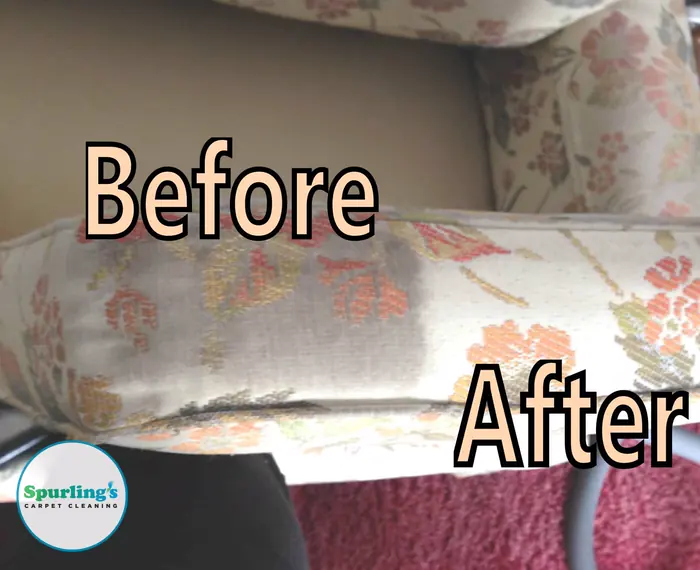
That chair you sit in every night usually tells the truth before the carpet does. The arms darken first. The seat loses its color. Pet odors settle into the fabric. And after enough time, even a beautiful sofa starts to make the whole room feel tired. Upholstery and furniture cleaning fixes more than appearance. Done properly, it removes the soil, oils, allergens, and odor sources that regular vacuuming leaves behind.
For many homeowners and business owners, furniture gets cleaned last – if it gets cleaned at all. That is usually because people are unsure what is safe, what actually works, and what might leave a couch soaked for two days. Fair concern. Upholstery is not one-size-fits-all. Cotton, microfiber, synthetic blends, office partitions, sectionals, and delicate accent chairs all respond differently. The right cleaning method matters just as much as the effort.
Why upholstery and furniture cleaning matters more than most people think
Fabric furniture acts like a filter. Every day it collects body oils, dust, food crumbs, skin particles, pet dander, and airborne soil. If you have children, pets, or high traffic in the home, that buildup happens fast. In commercial spaces, waiting rooms and office seating can show wear even sooner because multiple people use the same pieces all day.
The problem is not only what you can see. Visible darkening on headrests and armrests is often the result of repeated contact with skin oils and fine soil. Odors from pets, food, and moisture can settle below the surface. Spots that seem minor can wick back if they were never treated correctly in the first place. When furniture is left in that condition too long, fibers can wear down prematurely and cleaning becomes more difficult.
Professional cleaning helps restore fabric, but it also helps preserve your investment. Replacing quality furniture is expensive. Regular maintenance is usually the smarter move, especially on pieces you use every day.
What professional upholstery and furniture cleaning should include
A premium service should do more than spray a chemical and wipe the surface. Real results come from a multi-step process that is matched to the fabric and the level of soiling.
It starts with inspection. A trained technician should identify the fabric type, evaluate problem areas, and choose the safest cleaning approach. This is where experience matters. Some fabrics can handle hot water extraction steam cleaning beautifully. Others need lower moisture methods or more controlled agitation. Using the wrong process can lead to texture changes, color loss, shrinkage, or long dry times.
Next comes soil removal and pre-treatment. Dry soil should be removed before wet cleaning begins. Then the technician targets body oils, food spills, pet contamination, and heavily used areas with the proper solutions. Safe cleaning agents matter here. Strong enough to break down buildup, but appropriate for the fabric and the home environment.
Then comes the deep cleaning itself. This is where high-powered equipment separates premium service from bargain cleaning. Truck-mounted extraction and advanced cleaning systems provide stronger soil removal, better rinsing, and faster drying than low-powered portable machines in many situations. That means less residue left behind and a cleaner result that lasts longer.
Finally, detail work matters. Grooming the fabric, checking for recurring spots, and setting realistic expectations if a stain has permanently altered the fiber or dye – that is what honest, educated service looks like. A trustworthy company tells you what can improve, what may remain, and why.
Not all stains and odors are the same
One of the biggest frustrations customers have is being promised that every stain will disappear. That is not how fabric cleaning works. Some spots are removable. Some are reducible. Some are permanent because they have changed the dye structure, bleached the fabric, or set over time.
Pet issues are a good example. A visible spot on the cushion may only be part of the problem. Odor often goes deeper into padding, seams, or hidden sections of furniture. If the source is not treated properly, the smell returns. The same goes for recurring spots that wick back to the surface after the fabric dries. Surface cleaning may make things look better for a day, but it does not always solve the real issue.
That is why process matters. Professional upholstery and furniture cleaning should address both appearance and source contamination when possible. It should also come with straightforward communication. No hype. No pressure. Just clear answers based on the fabric, the stain, and the condition of the piece.
DIY cleaning has limits
Store-bought upholstery cleaners can be useful for quick response on a fresh spill, but they are rarely the best answer for overall restoration. Many over-the-counter products leave residue behind, and residue attracts more soil. Some products can set a stain, create rings, or cause uneven color if they are overapplied.
Too much moisture is another common problem. People often scrub harder, spray more, and hope for the best. That can drive the contamination deeper into the cushion and extend dry times. In some cases, it can even create odor or browning as the piece dries.
There is also the issue of fabric identification. Without knowing the material and the recommended cleaning code, it is easy to use the wrong chemistry or method. A do-it-yourself attempt may save money in the short term, but it can create a bigger problem on a costly sofa or chair.
When to schedule upholstery cleaning
If your furniture looks dull, smells musty, feels sticky, or shows dark areas where people sit and rest their arms, it is time. You do not have to wait until a piece looks terrible. In fact, waiting usually makes the job harder.
For most homes, professional cleaning every 12 to 24 months is a solid range. Homes with pets, children, allergies, or heavy use may need more frequent service. Businesses often benefit from a regular maintenance schedule because visible seating impacts how customers and employees perceive the space.
Season matters less than use, but many people schedule service before holidays, after winter, or during spring cleaning. If you are already having carpet cleaned, that is often the best time to include upholstered furniture. It is efficient, and it gives the room a complete reset instead of making the carpet look fresh while the sofa still looks tired.
What better service feels like
Customers who have been disappointed by low-price cleaners usually notice the difference right away when the service is done correctly. The appointment is more organized. The technician is more knowledgeable. The cleaning is more thorough. Dry times are shorter. And the result does not fade after a day or two.
That difference is not accidental. It comes from technician education, better equipment, proven systems, and a company culture that respects the customer and the furniture being cleaned. The best providers are not there to pressure you into extras you do not need. They are there to evaluate the piece, explain the options, and deliver the deepest safe clean possible.
That matters even more for valuable or sentimental furniture. Whether it is a sectional in a busy family room, dining chairs that have seen a decade of meals, or office seating that shapes first impressions, people want confidence that the work will be done right. They want measurable improvement and accountability if something falls short.
In the Rochester area, that is exactly why many households and businesses look for an experienced local company with trained technicians, powerful truck-mounted equipment, and guarantees that mean something. Spurling’s Carpet Cleaning has built its reputation around that kind of premium service, with a focus on safe cleaning, strong results, and what it calls Thee Longest-Lasting Clean.
Upholstery and furniture cleaning is about more than looks
A freshly cleaned sofa changes a room, but the real value goes beyond appearance. Clean furniture feels better to use. It smells better. It supports a healthier indoor environment by removing trapped soil and allergens. And it helps quality pieces last longer instead of being replaced before their time.
The smartest time to clean upholstery is before wear becomes permanent and odors settle in for good. When the work is done with the right method, the right equipment, and the right level of care, your furniture does not just look cleaner. It stays cleaner longer, and that is what makes the service worth it.