
A sofa can look fine from across the room and still hold pet oils, body oils, food residue, dust, and old spot treatments deep in the fabric. That is why finding the best upholstery cleaning company Rochester homeowners can rely on is about far more than getting a chair damp and calling it clean. The right company protects the fabric, treats the cause of stains and odors, and leaves your furniture looking better without creating a new problem.
Upholstery is one of the most-used surfaces in a home or business, yet it is often cleaned less often than carpet. It also requires more judgment. A cleaning method that works beautifully on one microfiber sectional can damage, shrink, discolor, or leave water rings on another piece. Premium upholstery cleaning begins with knowing exactly what is being cleaned.
1. They Inspect the Fabric Before They Start
A trustworthy cleaner does not arrive with one solution and use it on every sofa, recliner, dining chair, and office partition. Upholstery comes in many fibers, weaves, dye types, and construction styles. Cotton, linen, wool, velvet, microfiber, synthetic blends, and delicate specialty fabrics all respond differently to moisture, heat, agitation, and cleaning products.
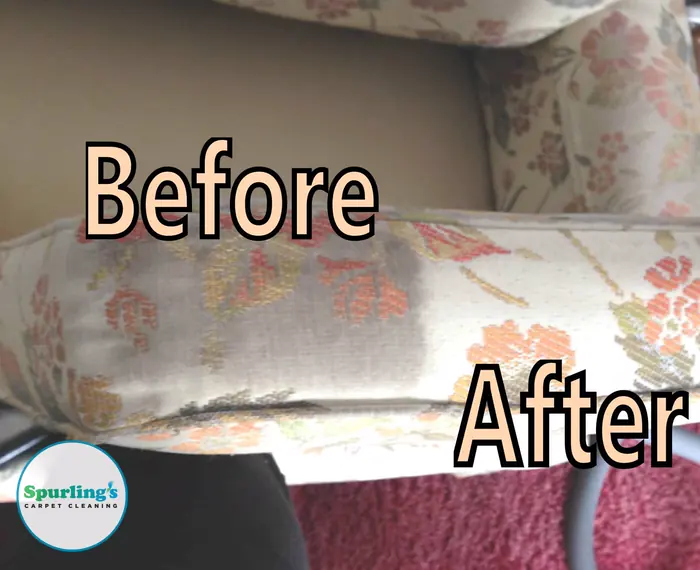
A proper pre-inspection identifies the fabric type, evaluates color stability, checks manufacturer cleaning codes when available, and looks for existing wear, fading, loose seams, snagging, or prior damage. It should also identify what is actually on the furniture. A darkened headrest may be body oil, while a spot near a cushion seam may be a beverage spill, pet accident, or residue left behind by a store-bought cleaner.
This step matters because the best possible result depends on choosing the right approach before cleaning begins. No honest professional should promise that every stain will disappear. Some stains permanently alter dyes or fibers. What a quality company can promise is a knowledgeable evaluation, an appropriate process, and clear expectations before the work starts.
2. The Best Upholstery Cleaning Company Rochester Homeowners Trust Uses a Process
Surface spraying and quick extraction may improve appearance temporarily, but premium results come from a multi-step cleaning system. The goal is to remove soils from the fibers, not simply move them around or cover odors with fragrance.
A professional process typically begins with dry soil removal and fabric-safe preconditioning. The technician then gives the solution time to work, gently agitates areas that need extra attention, and rinses away suspended soil with the proper amount of moisture and controlled extraction. Heavily used armrests, headrests, seat cushions, and pet-favorite spots often need specialized treatment.
The exact method depends on the furniture. Some pieces benefit from hot water extraction with carefully controlled heat and moisture. Others call for low-moisture cleaning or a more delicate method. This is where experience pays off. The right cleaner adjusts the system to the upholstery rather than forcing the upholstery to fit the system.
Spurling’s Carpet Cleaning uses advanced multi-step cleaning methods and professional truck-mounted equipment to deliver the deep, long-lasting clean that busy Rochester households expect from a premium service.
3. They Take Drying Time Seriously
Nobody wants to avoid sitting on their own sofa for two days after a cleaning appointment. More importantly, furniture that stays wet too long can develop unpleasant odors, attract new soil, or create problems within the cushion backing.
Fast drying is not achieved by skipping the rinse step. It comes from balanced cleaning chemistry, skilled moisture control, powerful extraction, and airflow. A capable technician removes as much moisture as practical during cleaning and gives you realistic guidance on drying conditions. Indoor humidity, fabric thickness, cushion density, and ventilation all affect the timeline.
Most professionally cleaned upholstery should feel only lightly damp, not soaked. If a company cannot explain how it manages moisture or leaves furniture dripping wet, the lower price may become an expensive trade-off.
4. They Know the Difference Between a Spot and an Odor Problem
A visible stain and a lingering odor are not always the same issue. This is especially true in homes with pets, children, or guests who occasionally spill something on the couch. A cleaner may remove the surface mark while leaving contamination below the fabric, in the cushion, or on the frame.
Pet urine is a common example. When urine dries, residue can remain beneath the upholstery surface. Humidity can reactivate the odor even after the furniture initially seems fresh. Proper treatment may require locating the affected area, treating the contamination rather than masking it, and addressing the cushion or backing when necessary.
The same principle applies to body oils, smoke odors, food spills, and mystery spots. Ask how the company approaches odor treatment and whether it will explain the realistic outcome. A knowledgeable answer is better than a dramatic promise that ignores what may be happening beneath the fabric.
5. They Do Not Use High Pressure or High Pressure Sales
Your furniture deserves careful handling, and so do you. The best local service experience includes uniformed, courteous technicians who respect your home, communicate clearly, and protect the surrounding area while they work. They should be willing to answer questions without turning the appointment into a pushy sales presentation.
Be cautious of extremely low advertised prices that do not explain what is included. Some companies use a bargain offer to get through the door, then add charges for cushions, stains, protectors, or basic cleaning steps that a reasonable customer assumed were part of the job. Premium cleaning is not always the cheapest option, but it should be transparent.
Before booking, ask what the estimate covers, whether cushions are priced separately, how heavily soiled pieces are handled, and what happens if a technician finds a condition that changes the scope. Clear answers are a sign of a company that values trust more than a quick sale.
6. They Stand Behind the Result With a Real Guarantee
Cleaning has limits, but accountability should not. A company that believes in its work should have a clear policy for concerns after the appointment. That does not mean a guarantee can reverse permanent bleaching, fabric wear, or a stain that has chemically changed the material. It does mean the cleaner should not disappear if a treated spot returns or if you are unhappy with a reasonable aspect of the service.
Look for guarantees stated in plain language. Find out whether the company will return to address reappearing spots, what time frame applies, and how it handles satisfaction concerns. A money-back promise and no-reappearing-spot guarantee signal that a company is willing to be accountable, provided the conditions are explained honestly.
Please note: pet-related issues (urine, vomit, diarrhea, blood, and similar) are excluded from our 100% Money Back Guarantee and No Reappearing Spot Guarantee.
This is particularly valuable when cleaning a large sectional, a cherished heirloom chair, or furniture in a rental property or commercial waiting area. You are not merely paying for an appointment. You are paying for skill, equipment, judgment, and a company that stands behind the experience.
7. They Have Local Experience You Can Verify
Years in business do not automatically make a company excellent, but longevity usually tells you something about how it treats customers. Rochester homeowners and property managers have plenty of choices. A cleaner that earns repeat business over many years has had to show up, do the work correctly, and resolve concerns professionally.
Read reviews for details rather than just star ratings. Look for comments about technician professionalism, furniture drying time, difficult stain results, pet odor treatment, respect for the home, and whether the company followed through. Credentials, continuing education, insurance, and a strong local reputation all add useful context.
For homeowners in Rochester, Pittsford, Fairport, Penfield, Victor, Webster, and nearby communities, local familiarity also has practical value. A locally established team understands the pace of the area, the importance of showing up on time, and why customers want a service provider they can confidently invite back.
When Is the Right Time to Clean Upholstery?
Waiting until furniture looks visibly dirty is usually waiting too long. Light-colored fabrics may show soil quickly, but darker fabrics can hold a surprising amount of buildup before they appear stained. Families with pets, children, frequent guests, or allergy concerns may benefit from more regular professional cleaning. For many households, cleaning upholstery every 12 to 24 months is a sensible starting point, though usage and fabric type should guide the decision.
If your sofa has dull traffic patterns, dark armrests, recurring pet odor, sticky-feeling fabric, old spills, or cushions that no longer look as fresh as the rest of the room, it is worth requesting a professional evaluation. The right company will give you a straightforward recommendation, explain the process, and treat your furniture with the care it deserves.
A clean sofa changes how a room feels. Choose a company that has the equipment, education, standards, and guarantees to make that fresh, comfortable feeling last.
Choosing the best upholstery cleaning company Rochester NY homeowners trust takes a little research. See what customers say on our Better Business Bureau profile, or call 585-955-6300 for a free estimate.