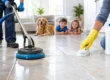

A carpet can look fine and still be carrying a lot more than you think. Soil settles deep into the fibers, oils cling to traffic lanes, and odors tend to hang on long after the room stops smelling obviously dirty. So if you’re wondering how often should carpets be cleaned, the honest answer is this: more often than most people assume, but not on the exact same schedule for every home or business.
The right cleaning frequency depends on who lives there, how the space is used, and what you want your carpet to do for you. If you want carpet to last longer, look better, smell fresher, and stay healthier underfoot, regular professional cleaning is not a luxury. It is basic maintenance.
How often should carpets be cleaned in a typical home?
For most households, professional carpet cleaning every 12 months is a smart baseline. That schedule helps remove the dry soil, body oils, food residue, allergens, and tracked-in debris that routine vacuuming simply cannot reach.
But a yearly cleaning is just the starting point. In many homes, especially active ones, every 6 to 9 months is a better fit. If your carpet sees daily traffic from kids, pets, guests, or busy family life, soil builds faster than it appears on the surface. By the time a carpet looks dirty, a lot of wear has already happened.
That is one of the biggest mistakes property owners make. They wait until the carpet looks bad. At that point, cleaning becomes more corrective than preventative, and that usually means more effort, more concern about stains, and a shorter overall carpet life.
What changes the cleaning schedule?
The biggest factor is traffic. A formal living room that rarely gets used can go longer between cleanings than a family room, hallway, or staircase that sees constant foot traffic. Entry areas also get hammered, especially during wet or snowy seasons when grit, salt, and moisture get tracked indoors.
Pets change the equation quickly. Even well-trained pets bring in outside soil, shed dander, and leave body oils behind. If there are accidents, marking, or lingering odors, waiting a full year is usually too long. Homes with pets often do best with professional cleaning every 6 months, and sometimes spot treatment sooner if issues come up.
Children can have the same effect, just with different evidence. Spills, crumbs, art supplies, sports gear, and everyday play all add up. If your carpet doubles as a play surface, it deserves a cleaning schedule that reflects that.
Allergy concerns matter too. Carpet acts like a filter, trapping dust, pollen, and airborne particles. That can be helpful for indoor air quality, but only if the carpet is maintained properly. If someone in the home struggles with allergies, asthma, or respiratory irritation, more frequent deep cleaning can make a noticeable difference.
How often should carpets be cleaned with pets, kids, or allergies?
In high-use homes, every 6 months is a strong rule of thumb. That usually applies to households with multiple children, one or more pets, frequent entertaining, or residents with allergies.
For especially busy homes, every 3 to 4 months may be the best choice in the most heavily used rooms. That does not always mean every room needs the same treatment. Bedrooms may be fine on a longer cycle, while hallways, family rooms, and stairs need attention more often.
This is where a one-size-fits-all recommendation falls apart. A professional cleaner should help you build a schedule based on your actual use, not just sell you the same plan as everyone else.
Businesses and commercial spaces need a different schedule
Commercial carpet usually needs cleaning far more often than residential carpet. Offices, waiting rooms, retail spaces, churches, and shared facilities collect soil fast because they have more foot traffic and more outside contamination.
In a lighter commercial setting, every 3 to 6 months may be enough. In a high-traffic business, monthly or quarterly service can be the better investment. That is especially true in entrance areas, hallways, and customer-facing spaces where appearance matters and dirt gets ground in quickly.
The cost of waiting too long is not just cosmetic. Dirty carpet affects how customers view the business, how the building smells, and how quickly the flooring wears out. Regular maintenance protects the carpet and protects the impression your space makes.
Vacuuming helps, but it does not replace deep cleaning
A lot of people assume that frequent vacuuming means they can stretch professional cleaning much longer. Vacuuming absolutely matters, and in busy areas it should happen several times a week, sometimes daily. But vacuuming only removes a portion of the dry soil near the surface.
It does not fully remove sticky residue, oils, embedded grit, or contaminants that settle deep in the pile and backing. That is where professional hot water extraction makes the difference. When performed with the right equipment, process, and technician skill, it removes what standard maintenance leaves behind.
That matters because deep-down soil is abrasive. It acts like sandpaper against carpet fibers every time someone walks across it. So regular professional cleaning is not just about appearance. It is about preserving the texture, color, and life of the carpet.
Signs your carpet should be cleaned sooner
Sometimes the calendar is not the best indicator. Your carpet may be telling you it needs service earlier than planned.
Traffic lanes that look darker than surrounding areas are an obvious sign. So are recurring spots, dingy fiber tips, stale odors, or a carpet that feels sticky or rough underfoot. If the room starts smelling less fresh after the windows are closed, the carpet may be holding on to odor-causing residue.
Another clue is how quickly the carpet looks dirty again after vacuuming. If it never seems to stay clean for long, that usually means the soil has gone beyond surface level.
Why cleaning method matters to how long results last
Not all carpet cleaning delivers the same result, and that affects how often you will need service. A quick, low-moisture surface clean may brighten the carpet temporarily, but if soil is left behind or detergent residue remains in the fibers, the carpet can resoil fast.
That is why process matters. Thorough pre-treatment, proper agitation, strong extraction, and truck-mounted hot water extraction can make a major difference in how clean the carpet actually gets and how long that clean lasts. Shorter dry times matter too, because over-wetting can create its own problems.
Premium service is not about bells and whistles. It is about getting the carpet truly clean, helping spots stay gone, and giving you a result that lasts. That is a better value than paying less for a cleaning that looks good for a week and then fades fast.
A practical schedule most property owners can follow
If you want a simple benchmark, start here. Lower-traffic homes can usually schedule professional carpet cleaning every 12 months. Busy family homes should consider every 6 to 9 months. Homes with pets, kids, or allergy concerns often do best every 6 months, with some high-use areas cleaned every 3 to 4 months.
Commercial spaces generally need service every 1 to 6 months depending on traffic, weather exposure, and the type of business. There is no prize for stretching the schedule too far. In most cases, routine maintenance costs less than waiting until the carpet needs major restorative work.
For homeowners and businesses around Rochester, where changing seasons can bring in mud, salt, moisture, and grit, frequency matters even more. A carpet can take a beating over the course of a year, especially near entryways and main traffic paths.
A good cleaning schedule should feel proactive, not reactive. The goal is to keep your carpet looking better, wearing longer, and staying fresher between visits. That is exactly why experienced companies like Spurling’s Carpet Cleaning focus on deeper cleaning, shorter dry times, and what they call Thee Longest-Lasting Clean.
The best time to clean carpet is before it becomes a problem you can see from across the room. When you stay ahead of the soil, the carpet stays more attractive, the home feels cleaner, and the whole space is easier to maintain.