You just had your carpets professionally cleaned, the rooms look brighter, and now the practical question kicks in – how long does carpet take to dry after steam cleaning? For most homes and businesses, the honest answer is about 4 to 12 hours. In some cases, it can be dry enough to walk on sooner. In others, especially with high humidity or heavy soil conditions, it may take closer to 24 hours.
That range matters because not all steam cleaning is equal. The equipment, the technician, the condition of the carpet, and even the weather outside all play a role. If you want Thee Longest-Lasting Clean, fast drying is not just a convenience. It is part of a better cleaning process.
How long does carpet take to dry after steam cleaning in real homes?
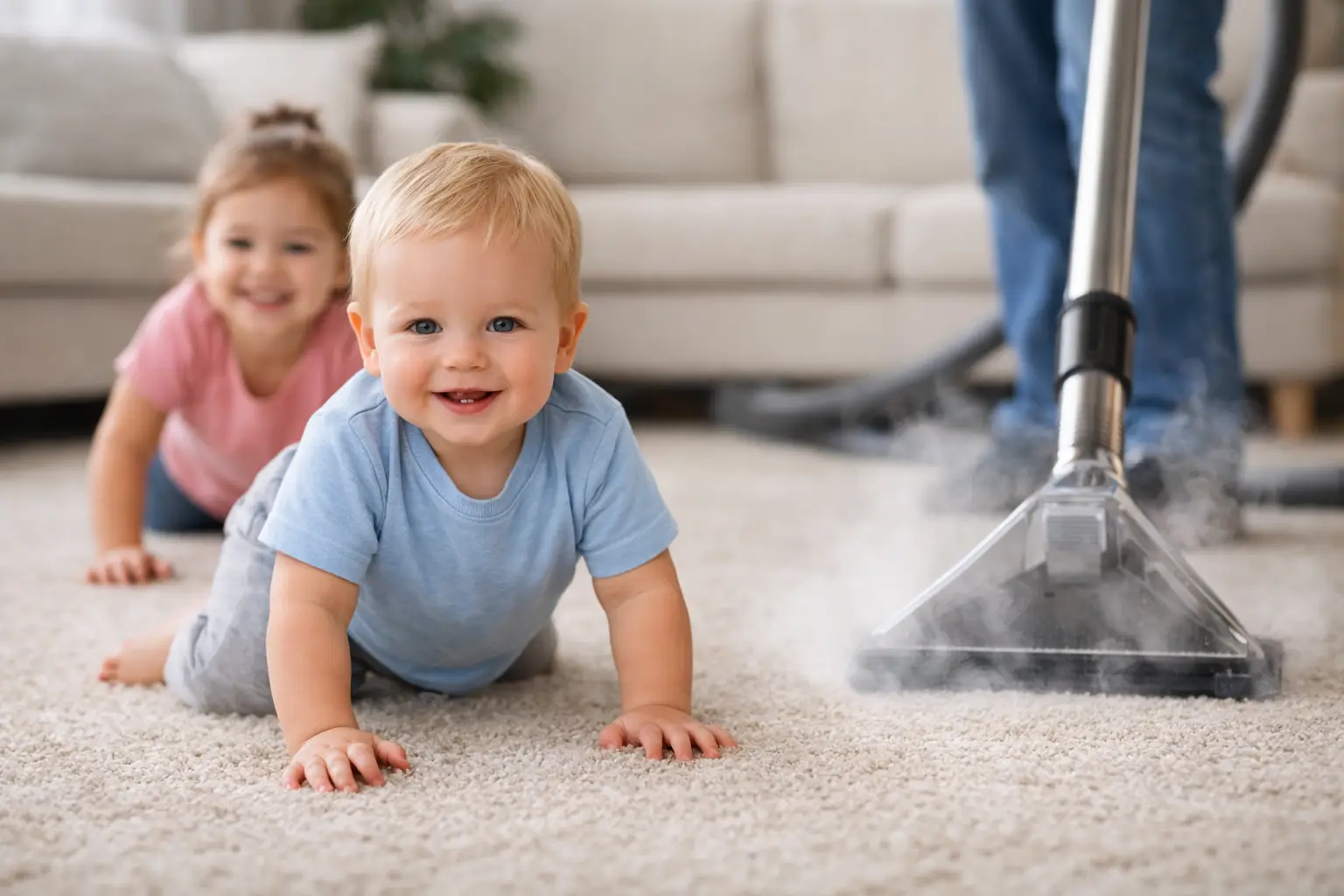
In real-world conditions, most professionally cleaned carpet dries within half a day. Many homeowners find their carpet feels only slightly damp after a high-quality hot water extraction cleaning, especially when strong vacuum power is used to remove as much moisture as possible.
A light cleaning in a well-ventilated home may dry in 4 to 6 hours. A larger job with deeper soil removal, pet treatment, or thicker carpet fibers may take 8 to 12 hours. If the carpet was heavily soiled and needed extra flushing, or if indoor humidity is high, dry time can stretch longer.
This is where experience matters. A trained technician knows how to clean thoroughly without over-wetting the carpet. That balance is one of the biggest differences between premium professional service and the disappointing results people often get from low-powered machines or rushed work.
What affects carpet drying time?
The biggest factor is how much water is left behind after cleaning. Professional hot water extraction uses water to rinse out soil, residue, and contaminants, but the real performance comes from extraction. Strong truck-mounted equipment can recover far more moisture than smaller portable machines or rental units.
Humidity also has a major impact. In Rochester-area summers, for example, the air can be heavy enough to slow evaporation even when the carpet was cleaned properly. In winter, indoor heating can help carpets dry faster, assuming there is decent airflow.
Carpet type matters too. Dense plush carpet and thick padding usually hold more moisture than low-pile commercial carpet. If you have wool, heavily cushioned carpet, or older padding underneath, expect a slower dry than you would with a standard synthetic residential carpet.
The level of soiling affects it as well. A carpet with pet accidents, heavy traffic lane buildup, or oily residue often needs more detailed treatment. That extra attention is worth it because it removes what cheap cleanings leave behind, but it can add some drying time.
Why good steam cleaning should not leave carpet soaked
People often worry that steam cleaning means drenched carpet. That usually comes from a bad past experience. Proper hot water extraction should leave carpet damp, not soaked.
If carpet feels squishy underfoot hours later, that is usually a warning sign. It can point to over-application of water, weak extraction, improper technique, or a machine that simply does not have enough vacuum power. None of those issues help carpet stay cleaner longer.
A professional multi-step system is designed to clean deeply while controlling moisture. Preconditioning, agitation when needed, proper rinse and extraction, and attention to airflow all work together. The result is a more complete clean with shorter dry times and less chance of wicking, recurring spots, or musty odor.
How to help carpet dry faster after steam cleaning
You do not need to do anything complicated, but a few smart steps can make a noticeable difference. Air movement is your best friend. Turn on ceiling fans, box fans, or your HVAC system to keep air circulating across the carpet surface.
If weather allows, open windows slightly to reduce indoor humidity and improve ventilation. If outdoor air is muggy, keep the windows closed and use air conditioning instead. In very humid conditions, a dehumidifier can speed things up and help the carpet dry more evenly.
Try to keep foot traffic light until the carpet is fully dry. If you need to walk across it, clean socks are better than bare feet or shoes. Shoes can track in outside soil, and bare feet can transfer oils to freshly cleaned fibers.
It also helps to leave furniture blocks or tabs in place if your cleaner used them. Putting wood or metal furniture directly back onto damp carpet is asking for trouble. A little patience protects both your carpet and your furniture.
When can you walk on carpet after steam cleaning?
Usually, you can walk on it almost right away if necessary, as long as you are careful and the cleaner gives you the go-ahead. The carpet may still be damp, but light foot traffic with clean socks is often fine.
What you want to avoid is normal heavy use before the carpet dries. Kids running through the room, pets coming in from outside, or employees tracking in dirt from a parking lot can undo part of the benefit of a professional cleaning. Freshly cleaned carpet attracts attention, and this is the moment to protect the result.
If you are managing a business or rental property, planning the cleaning around lower-traffic hours makes a real difference. A quality company should be able to give you realistic expectations, not vague promises.
How long does carpet take to dry after steam cleaning with pets, stains, or odor treatment?
This is one of those it-depends situations. If the carpet required urine treatment, spot removal, or a deeper flush to address odor, dry time may be longer than average. That does not mean something went wrong. It often means the technician did what was necessary to solve the problem properly.
Pet issues are a good example. Surface cleaning is fast, but it rarely fixes the odor. Effective treatment may involve more targeted application, deeper rinsing, and extraction in the affected areas. That extra work can add moisture, but it also gives you a far better chance of getting lasting results.
The same goes for stubborn stains or neglected traffic lanes. A premium cleaning is designed to improve the carpet, not just make it look better for a day or two. Sometimes the better long-term outcome takes a little more drying time.
What about rental machines and DIY steam cleaning?
This is where many dry-time horror stories begin. Rental machines are popular because they seem convenient, but they often apply more water than they can remove. That leaves carpet wetter for longer and can lead to rapid resoiling, odor, and frustration.
DIY cleaning also tends to leave behind detergent residue if the carpet is not rinsed and extracted correctly. Residue acts like a dirt magnet. So even if the carpet eventually dries, it may not stay clean for very long.
Professional equipment and trained technicians are built for a different result. More vacuum power, better heat, better rinse control, and better judgment all add up to shorter dry times and a cleaner carpet that holds up better after the appointment.
Signs your carpet is drying normally
A normal post-cleaning carpet should feel slightly cool or mildly damp for several hours, especially in thicker areas or spots that needed extra attention. The texture should improve as it dries, and any mild cleaning scent should fade rather than turn musty.
If you notice a strong sour smell, obvious wet patches that do not improve, or dampness lasting well past 24 hours, it is worth calling the company. Reputable cleaners want to know if something seems off, and premium service means standing behind the work.
That kind of accountability is not a small thing. It is one reason people choose experienced professionals over whoever offers the cheapest price this week.
For most customers, the right expectation is simple: carpet cleaned today, mostly dry the same day, and fully dry by the next morning. If the work was done with powerful equipment, proper technique, and respect for your home or business, that is a very realistic outcome. And when the carpet dries quickly and cleanly, you get to enjoy what matters most – a fresher, healthier space that actually feels worth the investment.