
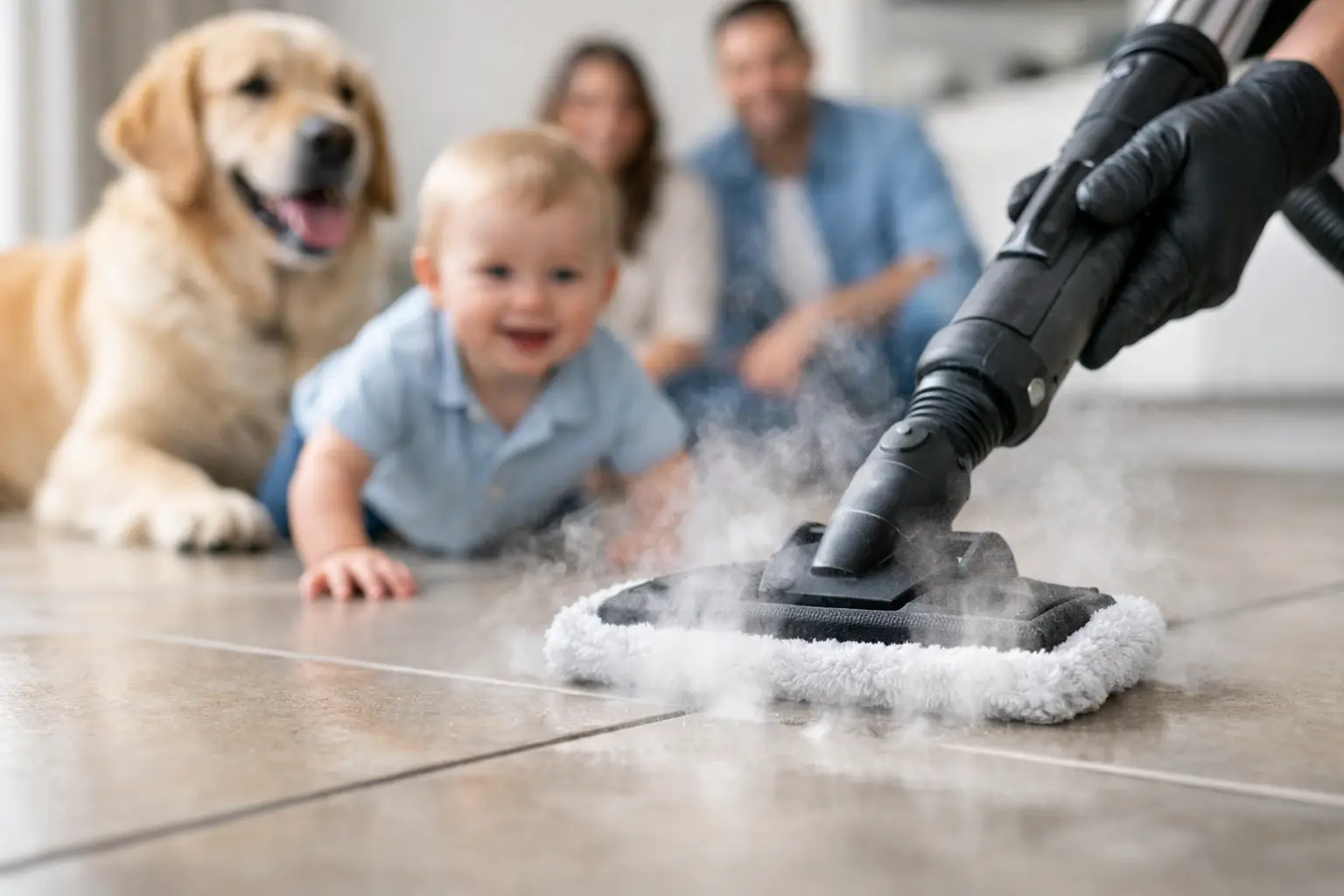
If your tile floor still looks dingy after mopping, you are not imagining it. Dirt, oils, soap residue, and embedded grime can settle deep into grout lines, and that is usually the real reason people ask, can you steam clean tile and grout? The short answer is yes – but whether steam is the right choice depends on the type of tile, the condition of the grout, and how much soil has built up over time.
Steam cleaning can be a useful method for tile and grout because heat helps loosen stuck-on residue that regular mopping leaves behind. On the right surfaces, it can improve appearance and reduce the greasy film that makes floors look dull. But steam is not a magic fix for every floor, and in some cases it can leave you with uneven results or even create problems if the surface is damaged, unsealed, or cleaned with the wrong machine.
Can You Steam Clean Tile and Grout on Every Surface?
Not every tile floor should be treated the same way. Ceramic and porcelain tile are usually the safest candidates for steam cleaning because they are dense, durable, and generally less sensitive to moisture and heat. In many homes and commercial spaces, these are the tile types where steam can help break up grime in the grout lines and on the tile surface.
Natural stone is different. Marble, travertine, slate, and limestone can be much more sensitive. Steam may not automatically ruin them, but it can aggravate existing weaknesses, especially if the stone is porous, improperly sealed, or paired with deteriorating grout. On stone surfaces, the cleaning method should match the material, not just the appearance of the soil.
It also matters what shape the grout is in. If grout is cracked, crumbling, or missing in spots, forcing heat and moisture into those areas is not a smart move. The same goes for floors with loose tiles or areas where water may already be getting underneath the surface. In those cases, cleaning is no longer just about appearance. It becomes a maintenance issue.
When Steam Cleaning Tile and Grout Works Well
Steam tends to perform best on maintenance-level soil and moderate buildup. If your tile has a light film, kitchen grease, bathroom residue, or everyday tracked-in dirt, steam can help lift what normal mops push around. It can also be useful for textured tile where grime collects in the low spots.
That said, there is a difference between loosening soil and fully removing it. Many consumer steam mops do a decent job softening grime, but they often lack the extraction power to pull contamination completely out of porous grout. That is why some floors look better right after steam cleaning, then seem to darken again as residue settles back in or wicks up from deeper in the grout.
For homeowners who want truly dramatic improvement, the issue usually is not heat alone. It is heat plus agitation, plus proper cleaning agents when needed, plus strong extraction. That is where professional tile and grout cleaning systems typically outperform store-bought steam units.
Why DIY Steam Cleaning Often Falls Short
A lot of people buy a steam mop hoping for bright grout lines and a like-new floor. The promise sounds good. The results are often underwhelming.
The biggest limitation is power. Household machines usually do not produce enough consistent pressure or recovery to flush out embedded soil. They may spread loosened grime, especially if the pad gets dirty quickly. On heavily used kitchen floors, entryways, bathrooms, and commercial tile, that means you can spend a lot of time cleaning without getting the deep, even result you wanted.
There is also the problem of over-wetting. Some machines release more moisture than people realize, and if the floor is not drying properly, that can affect grout, edges, and vulnerable areas. Steam cleaning should never mean soaking the floor.
Technique matters too. Moving too fast does very little. Holding steam in one spot too long can stress certain materials. Using steam on painted grout, damaged caulking, wax-coated tile, or sensitive stone can backfire fast. This is one of those jobs where the wrong tool in the wrong hands can create more work than it solves.
Professional Cleaning vs. Basic Steam Mops
This is where people often confuse terms. Many homeowners use the word steam cleaning to describe any deep cleaning method that uses heat. In professional cleaning, the process is usually more advanced than what comes out of a handheld steamer or a retail mop.
A professional tile and grout cleaning system may use high heat, high-pressure rinsing, specialized tools, and strong extraction to remove soil rather than just loosen it. That distinction matters. If grime is lifted but not extracted, much of it remains in the grout or gets redistributed across the floor.
At a premium service level, the goal is not a quick surface improvement. The goal is a deeper, longer-lasting clean with less residue left behind. That is one reason so many homeowners and property managers turn to trained technicians after trying DIY methods first. They are tired of spending hours scrubbing only to get marginal results.
For heavily used floors, especially in homes with pets, kids, cooking grease, or foot traffic from Rochester winters, deeper professional cleaning usually makes more sense than repeated passes with a low-powered steam mop.
Can You Steam Clean Tile and Grout Safely?
Yes, but safe does not always mean advisable. Steam cleaning is safest when the tile is ceramic or porcelain, the grout is intact, and the floor has no underlying moisture issues. Even then, the cleaning process should be controlled, not excessive.
If you are not sure what material you have, caution is the smart move. Natural stone, older grout, cracked joints, and previously repaired areas deserve extra attention. A floor can look solid from the top and still have weak points below the surface.
This is also why a serious cleaning company inspects before cleaning. A trustworthy technician should not treat every tile floor the same way, and they should not oversell a method that is not the best fit for your surface. The best result comes from matching the process to the floor, not forcing the floor to match the machine.
What Kind of Results Should You Expect?
If the tile is in good shape and the soil is mainly from buildup, steam-based cleaning can absolutely improve the look of the floor. The tile may brighten, the grout may look cleaner, and the whole room can feel fresher. But expectations should stay realistic.
Steam will not repair worn-out grout. It will not permanently restore discolored grout that has been stained for years without deeper treatment. It also will not fix grout that was never sealed properly or tile that has lost its finish.
In some cases, the best result comes from cleaning followed by sealing. Once grout is cleaned, sealing can help slow down future absorption and make routine maintenance easier. That is especially useful in kitchens, bathrooms, mudrooms, and commercial areas where spills and traffic are part of daily life.
The Better Question: Should You Steam Clean Tile and Grout?
That is usually the more useful question. Yes, you can steam clean tile and grout. But should you do it yourself with a consumer machine, or should you have it professionally cleaned with a more complete process?
If the floor just needs light maintenance and you know the tile is steam-safe, a quality home unit may be fine for touch-ups. If the grout is dark, the floor feels sticky after mopping, or you have already tried DIY cleaning with disappointing results, a professional service is usually the better investment.
That is especially true when you care about long-lasting results, not just a temporary visual boost. High-end cleaning is not about making the floor look better for a day or two. It is about removing the buildup that keeps pulling the appearance down and doing it in a way that respects the material.
At Spurling’s Carpet Cleaning, that is exactly how tile and grout should be approached – with the right equipment, the right training, and the kind of care that delivers Thee Longest-Lasting Clean.
If your tile still looks dirty no matter how often you mop it, the problem is probably not your effort. It is that surface cleaning can only do so much when the grime is packed into the grout. The right cleaning method can make a dramatic difference, and the smartest first step is knowing what your floor can safely handle.