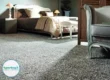

A carpet can look clean on the surface while holding months of tracked-in grit, pet oils, food residue, and allergens deep near the backing. That is why homeowners often ask, is steam cleaning safe for carpets before scheduling a professional visit. The short answer is yes, when it is done correctly with the right process, proper solutions, controlled moisture, and powerful extraction.
The concern is understandable. Too much water, harsh chemicals, or poor technique can leave a carpet wet for too long and create problems that a professional cleaning should prevent. A high-quality hot water extraction service is designed to do the opposite: flush out embedded soil, remove cleaning residue, and leave your carpet fresh, clean, and ready to dry quickly.
Is Steam Cleaning Safe for Carpets When Done Professionally?
Yes. Professional carpet cleaning commonly uses hot water extraction, often called steam cleaning, because it is one of the most effective and carpet-safe methods available for most residential and commercial carpets. Despite the name, the process does not usually involve blasting dry steam into the carpet. It uses carefully heated water and a professional cleaning solution to loosen soil, followed by immediate, high-powered extraction.
That extraction step makes all the difference. A truck-mounted system can pull out suspended dirt, oils, cleaning solution, and much of the moisture used in the process. Rather than soaking the carpet, a properly trained technician manages water flow, temperature, agitation, and extraction according to the carpet’s condition and fiber type.
When the job is done well, hot water extraction supports the appearance and life of your carpet. It removes the abrasive grit that gradually wears down fibers every time people walk across the room. It also helps address the sticky residues that make carpets attract dirt again soon after a basic cleaning.
What Makes Carpet Steam Cleaning Safe or Risky?
Steam cleaning is not automatically safe simply because a machine uses hot water. The result depends on the person operating the equipment, the cleaning products selected, and the condition of the carpet itself.
The biggest risks come from inexperienced cleaning methods. Overwetting can occur when too much solution is applied or too little is extracted. A carpet that remains damp for an extended period may develop an unpleasant odor, feel crunchy from residue, or allow stains to wick back to the surface as it dries. In severe cases, excess moisture can affect the backing, padding, or subfloor.
Heat also has to be managed correctly. Many modern synthetic carpets tolerate professional hot water extraction very well. However, delicate fibers such as wool, silk, cotton, or certain specialty rugs require lower temperatures, carefully matched solutions, and an experienced technician. The right question is not whether hot water extraction is safe in every situation. It is whether the cleaner has inspected your specific carpet and chosen the correct process.
A premium cleaning company should identify potential concerns before cleaning begins. That includes checking for loose seams, heavy pet contamination, existing damage, dye instability, worn traffic lanes, and previous cleaning residue. Honest recommendations protect the carpet and help set realistic expectations before any work starts.
Why DIY Rental Machines Can Create Problems
Rental machines can be useful for a small, fresh spill, but they are not built to deliver the same extraction power as professional truck-mounted equipment. Many homeowners apply more cleaning solution because they want a stronger result, then struggle to remove enough moisture and residue from the carpet.
This is why a carpet can look better for a day or two, then develop dark traffic lanes or reappearing spots. Left-behind detergent acts like a magnet for new soil. Excess water can also lengthen drying time significantly, especially in humid weather or rooms with limited airflow.
There is another issue: spot treatments. Store-bought products can change the chemistry of the carpet, bleach color, set certain stains, or leave a sticky film. If a stain is older, oily, pet-related, or has been treated several times, adding more product is often not the answer. A trained technician can identify the type of contamination and use a treatment that is appropriate for the fiber and the stain.
The Process That Protects Your Carpet
Safe, long-lasting carpet cleaning is a multi-step process, not a quick pass with a wand. First, the carpet should be inspected and pre-vacuumed or thoroughly dry-soil removed when needed. Dry soil is a major part of what makes carpet look dull, and it should not be turned into mud with water.
Next, the technician applies a cleaning solution matched to the soil level and carpet type. This solution breaks down body oils, tracked-in grime, food residue, and other sticky contaminants that vacuuming alone cannot remove. Agitation may be used to work the solution into heavy traffic areas without damaging the fibers.
Then comes the hot water extraction rinse. This step flushes the carpet while powerful vacuum suction removes the cleaning solution and loosened soil. The goal is not simply to make the carpet look brighter. It is to leave as little residue and excess moisture behind as possible.
Finally, professional grooming and airflow can improve appearance and speed drying. Most carpets cleaned with a strong extraction system are dry in several hours, though drying time varies based on humidity, carpet thickness, soil level, ventilation, and the amount of treatment required. A heavily soiled basement carpet or pet-affected area may need more moisture and more drying time than a lightly soiled living room.
Special Situations: Pets, Odors, and Reappearing Spots
Pet accidents need more than surface steam cleaning. Urine can travel below the carpet face fibers into the backing and padding, where odor-causing contamination remains even after the visible spot fades. If the source is not treated properly, odor can return when humidity rises or the area becomes damp again.
A professional assessment helps determine whether topical treatment is enough or whether deeper odor treatment is needed. The same is true for reappearing spots. Some stains wick upward from the backing as the carpet dries, particularly when a spill was large or has been repeatedly treated at home.
No responsible cleaner should promise that every stain will disappear. Permanent discoloration from bleach, dyes, burns, or certain old stains may not be reversible. But a professional process can often dramatically improve the appearance, remove the soil surrounding the spot, and prevent the residue that causes rapid resoiling.
How to Keep Carpets Safer After Cleaning
Once your carpet has been professionally cleaned, give it the best chance to dry properly. Keep pets and children off damp areas when possible, avoid replacing heavy furniture until the carpet is dry, and use protective tabs or blocks under furniture legs if your technician provides them. Turn on ceiling fans, run the HVAC system, and allow normal airflow through the room.
Regular vacuuming matters just as much as deep cleaning. It removes dry grit before it works down into the fibers and creates premature wear. Entry mats, prompt spill blotting, and periodic professional cleaning are practical ways to protect a major investment in your home or business.
For Rochester-area homes with busy families, pets, or demanding traffic patterns, choosing the lowest-priced cleaner can become expensive when the carpet stays wet, spots return, or residue attracts dirt right back. Spurling’s Carpet Cleaning uses a detailed hot water extraction process, industry-educated technicians, and powerful equipment built to deliver Thee Longest-Lasting Clean.
Your carpet should not feel risky to clean. It should feel safer, fresher, and more comfortable to live with. Choose a cleaner who inspects first, uses the right method for your fibers, and stands behind the result with clear accountability.