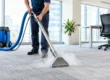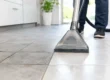

A rug can look reasonably clean from across the room while holding a surprising amount of dry soil deep in its fibers. Grit settles below the surface, traffic lanes turn dull, and spills leave residues that attract even more soil. Professional area rug cleaning is about more than improving the color for a few days. Done correctly, it removes the buildup that makes a rug wear out and look tired before its time.
For homeowners, rental property managers, and businesses, the goal should be a cleaner rug that feels fresher, dries in a practical timeframe, and stays cleaner longer. That takes more than a rental machine, a bottle of spot remover, or a quick pass with a vacuum.
Why Area Rugs Need More Than Vacuuming
Vacuuming is essential, but it only handles part of the problem. It removes loose debris from the surface and upper portion of the pile. The fine, abrasive material that settles farther down can remain behind, especially in entryways, hallways, offices, and rooms where people gather.
That hidden soil matters because it acts like sandpaper. Every step presses it into the rug fibers and backing. Over time, the rug may lose its softness, develop gray traffic patterns, or appear permanently dull even after you vacuum.
Spills create a separate challenge. A spot may look small on top, but liquid can spread outward and downward. If it is treated with the wrong product, or if too much product is left behind, the area can become a magnet for new soil. That is one reason a spot can appear to return after an at-home cleaning attempt.
What Professional Area Rug Cleaning Should Include
The right process depends on the rug’s material, construction, soil level, and condition. Spurling’s Carpet Cleaning focuses on synthetic fiber rugs, including nylon, polyester, olefin, and polypropylene, cleaned conveniently at your home or business. Before any cleaning begins, a trained technician should inspect the rug, identify visible spots and traffic areas, and choose methods appropriate for the fibers.
A quality multi-step service generally begins with dry soil removal and pre-treatment of the most heavily soiled areas. This is not a minor detail. Dry soil must be addressed before it becomes mud during wet cleaning. Pre-treatment then helps break down the oily residue and tracked-in grime that regular vacuuming cannot remove.
Next comes controlled hot water extraction. This professional cleaning method uses heated solution, agitation, and powerful recovery to flush suspended soil from the fibers rather than simply pushing it around. Truck-mounted equipment provides strong extraction, which is a major reason professional results can look better and dry faster than do-it-yourself cleaning.
The final step is just as important as the first: proper grooming and post-cleaning inspection. Grooming helps reset the pile for a more even appearance, while an inspection confirms that the technician has addressed the areas discussed before work began. It is the difference between a rushed cleaning and a service designed to deliver Thee Longest-Lasting Clean.
The Biggest Mistakes That Make Rugs Look Dirty Again
Most rugs do not become dirty again overnight because the cleaning “didn’t work.” More often, residue, remaining soil, or daily foot traffic is the culprit. A few common mistakes can shorten the life of the result.
Using too much store-bought spot cleaner is one of the biggest offenders. Many products leave a sticky residue when they are not thoroughly rinsed out. That residue can collect soil quickly, making the treated spot stand out again.
Over-wetting is another problem. Rental machines often lack the extraction power to recover enough moisture from a dense area rug. A damp rug can take much longer to dry, and excessive moisture can create concerns with the floor beneath it. More water does not automatically mean a deeper clean.
Scrubbing aggressively can also damage the appearance of synthetic fibers. Vigorous rubbing may distort the pile, spread a spill, or create a fuzzy-looking patch. Blotting immediately after a fresh spill is usually the better first move. Then arrange professional help when the spot, odor, or residue needs more than gentle attention.
Finally, waiting until the rug looks heavily soiled is costly. By that point, grime has had more time to grind into the fibers. Routine professional cleaning is easier on the rug and often produces a more even result than an emergency cleaning after years of buildup.
How Often Should You Schedule Area Rug Cleaning?
There is no single calendar answer because every rug lives differently. A decorative rug in a low-traffic room may need professional attention less often than one near an exterior door or under a busy workspace. The practical question is how much soil, moisture, traffic, and spotting the rug handles.
For many homes, a professional cleaning every 12 to 18 months is a sensible starting point. Rugs in high-traffic areas may benefit from cleaning more often. Businesses and commercial cleaning spaces may need a maintenance schedule based on the number of people using the space and the appearance standards they want to maintain.
Do not wait only for obvious spots. Look for changes in texture, a flattened traffic lane, a dull cast across the rug, or a general feeling that the space is no longer as fresh as it should be. Those are signs that embedded soil is beginning to affect the rug’s appearance.
Protecting Your Rug Between Professional Visits
A professional cleaning delivers the reset. Good habits help preserve it. Vacuum regularly using settings appropriate for the rug’s pile, especially in pathways and entrances. Do not let dry debris sit for weeks, where it can work farther into the fibers.
When a spill happens, act promptly. Blot with a clean white towel and use light pressure from the outside of the spill toward the center. Avoid colored towels that can transfer dye, and resist the urge to saturate the area. If a spot is stubborn, tell the cleaning technician what was spilled and what products, if any, were already applied. That information helps them select the safest, most effective approach.
Area rugs also benefit from thoughtful placement. Entrance rugs take the brunt of outdoor debris, so keeping those areas maintained reduces what travels into the rest of the home or office. Rotating a rug periodically can help distribute foot traffic more evenly, although this depends on the room layout and furniture placement.
Why Equipment and Training Change the Result
Not all cleaning services use the same process, and not every cleaning method produces the same level of soil removal. Bargain cleaning can be tempting, but a low price has little value if the rug is left overly wet, filled with residue, or only cleaned on the surface.
Professional-grade truck-mounted extraction, carefully selected cleaning solutions, and industry-educated technicians give you a better chance at the result you actually want: a rug that looks cleaner, feels refreshed, and holds that improvement longer. The technician’s judgment matters, too. Cleaning a lightly soiled polyester rug is not the same as treating an olefin rug with dark traffic lanes and multiple old spots.
A premium service should also feel professional from start to finish. That means friendly, uniformed technicians, clear expectations, respect for your home or business, and no pushy upselling. You should know what can reasonably be improved and where age, wear, prior damage, or permanent discoloration may limit the outcome.
A Cleaner Rug Supports a Better-Looking Space
An area rug anchors a room. When it looks dull or feels gritty, the entire room can seem less cared for, even when everything else is in order. When it is professionally cleaned, colors often appear brighter, the pile looks more uniform, and the space simply feels more welcoming.
If your synthetic area rug has lost its fresh appearance, do not settle for a surface-level fix. A properly cleaned rug is easier to maintain, more comfortable underfoot, and better prepared for the traffic ahead.