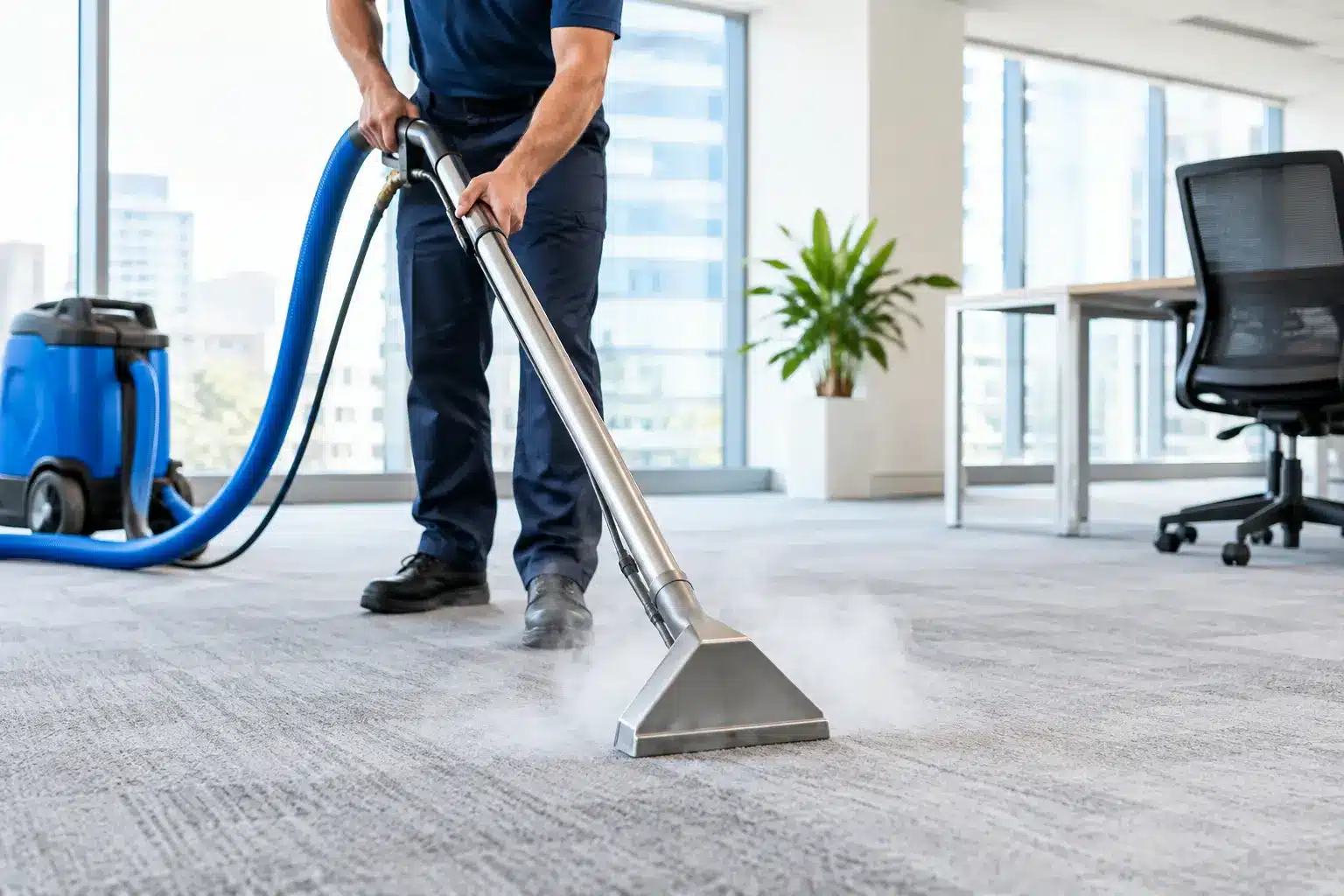
A commercial floor can look tired long before it looks obviously dirty. Foot traffic carries in grit, moisture, salt, pollen, and oily residue that settle below the carpet surface or into grout lines. Steam cleaning for commercial spaces addresses that hidden buildup with a deeper process designed to improve appearance, support a cleaner work environment, and help your facility make the right impression.
For offices, professional buildings, rentals, and other commercial cleaning spaces, the difference is not simply a brighter carpet after service. It is the confidence of knowing the work was performed with the right equipment, trained technicians, and a system built for results that hold up after the crew leaves.
Why Commercial Spaces Need More Than Surface Cleaning
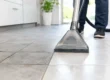
Vacuuming is essential, but it is maintenance, not deep cleaning. It removes much of the dry debris near the surface while leaving behind the fine grit, body oils, spills, and traffic-lane soil that make carpet fibers look flat and discolored over time. The same is true of hard-surface floors: mopping can spread residue across ceramic or porcelain tile while soil remains trapped in porous grout.
Commercial properties deal with a different level of use than most homes. Entryways, hallways, reception areas, workstations, and shared meeting spaces receive repeated traffic from employees, visitors, delivery personnel, and tenants. A low-cost cleaning that leaves detergent behind or uses insufficient extraction may make the area look better for a day, then allow it to resoil quickly.
That is why the cleaning method matters. A premium service should remove soil, rinse thoroughly, and leave as little residue as possible. The goal is not a temporary cosmetic change. It is a cleaner, fresher surface that stays presentable longer.
What Steam Cleaning for Commercial Spaces Really Means
The phrase “steam cleaning” is commonly used to describe professional hot water extraction. This process uses heated cleaning solution, controlled agitation, and powerful extraction to loosen and remove deeply embedded soil from commercial carpet. It is not the same as simply applying moisture to a floor and hoping the dirt rises to the surface.
At Spurling’s Carpet Cleaning, the work is built around a multi-step approach and truck-mounted equipment. The process begins with an evaluation of traffic patterns, visible spots, fiber condition, and the concerns that matter most to the business. High-traffic areas may need additional attention because compacted soil does not respond the same way as an open office corner that receives little use.
A professional technician then applies the appropriate cleaning solutions, agitates where needed to break up soil, and uses hot water extraction to flush contaminants from the carpet. Powerful vacuum recovery removes the cleaning solution and suspended soil rather than leaving it behind in the fibers. Proper post-treatment and grooming can help create a more uniform appearance and support faster drying.
The result is a much more thorough reset than routine vacuuming or a quick surface treatment. Still, honest expectations matter. Permanent discoloration, worn fibers, bleach damage, and heavily neglected traffic lanes may improve substantially without returning to their original condition. An experienced cleaner explains the difference before work begins instead of overselling an impossible outcome.
The Equipment Changes the Result
Commercial carpet cleaning is not a place to cut corners with lightweight equipment that lacks heat, vacuum power, or sufficient water recovery. Truck-mounted hot water extraction systems provide the strong rinse and recovery needed to remove more soil from high-use areas. That matters because excess moisture and cleaning residue can create problems of their own.
Better extraction supports shorter dry times, which is especially valuable in active business settings. Scheduling still depends on the size of the area, carpet type, soil level, humidity, airflow, and how much restorative cleaning is required. A technician should give your team clear expectations about when the space can return to normal use.
The Business Benefits of a Deeper Clean
Clean floors influence how a business is experienced. Visitors often notice the condition of an entryway or reception area before they notice the signage, furniture, or décor. Employees notice it too, particularly in shared spaces where worn traffic lanes and stale odors become part of the daily environment.
Regular deep cleaning also helps protect the investment in carpet and tile. Dry abrasive soil acts like sandpaper under shoes and rolling chairs, gradually wearing down carpet fibers. On tile floors, grime in grout lines can make an otherwise clean room appear neglected. Removing that buildup on a sensible schedule helps preserve a more professional appearance between major renovations or replacements.
There is also an operational benefit. When cleaning is planned before floors become severely soiled, technicians can focus on maintenance-level restoration rather than emergency-level correction. That often produces more consistent results and makes it easier for facility managers to keep standards steady across the property.
Carpet, Tile, and Upholstery Need Different Approaches
A commercial space rarely has only one surface that affects its appearance. Carpet may need hot water extraction, while ceramic or porcelain tile and grout often require specialized cleaning methods to remove embedded buildup. Upholstered reception seating, office chairs, and fabric partitions can collect body oils, dust, and food-related spots that do not disappear with basic vacuuming.
Using one generic process on every surface is a mistake. The right method depends on the material, the type of soil, the previous cleaning history, and the condition of the item. A qualified technician identifies those factors before beginning work and uses solutions suited to the task.
For example, grout cleaning may reveal its original color but cannot repair cracked grout, missing grout, or permanent staining. Upholstery cleaning can improve appearance and freshness, but sun fading, fabric wear, and prior chemical damage are separate issues. Clear communication is part of a high-quality service experience because it gives decision-makers a realistic picture of what cleaning can accomplish.
When Should a Business Schedule Professional Cleaning?
There is no single schedule that fits every commercial property. A quiet office with limited visitors may benefit from periodic deep cleaning, while an active workspace with multiple entrances and constant daily traffic may need more frequent service. Weather is another factor. Wet seasons and winter conditions can accelerate soil buildup in entry areas and hallways.
Rather than waiting until the carpet looks visibly dirty, watch for dull traffic lanes, spots that return after routine care, a sticky or rough feel underfoot, discolored grout, or an overall tired appearance in guest-facing areas. Those are signs that routine maintenance is no longer enough.
It is also smart to schedule around business operations. Cleaning before a major meeting, tenant turnover, seasonal rush, or company event can help your team present the space at its best. With the right planning, professional cleaning does not have to disrupt the workday.
What to Expect From a Premium Commercial Cleaning Team
The experience should feel organized from the first conversation. A reputable provider listens to what you need cleaned, asks useful questions about access and scheduling, and gives you a clear plan instead of a high-pressure sales pitch. Uniformed technicians should arrive prepared, respect the property, protect surrounding areas, and communicate directly about any conditions that affect results.
Look for a company that invests in technician education, advanced equipment, and a process rather than relying on quick fixes. Ask how spots are handled, whether the cleaning system thoroughly extracts soil, and what drying expectations are realistic for your facility. If a provider makes blanket promises without seeing the condition of the surfaces, that is a reason to be cautious.
Spurling’s Carpet Cleaning has served local customers for decades with professional-grade cleaning systems and a focus on Thee Longest-Lasting Clean. Qualifying non-pet services may also be backed by service guarantees, with conditions explained clearly before the work begins. Pet-related odor, urine, and spot issues are excluded from those guarantees.
A polished workplace does not happen by accident. When your carpets, ceramic or porcelain tile, grout, and upholstery reflect the care you put into your business, customers and employees can feel the difference before a word is spoken.